Western Astronomy and STEM
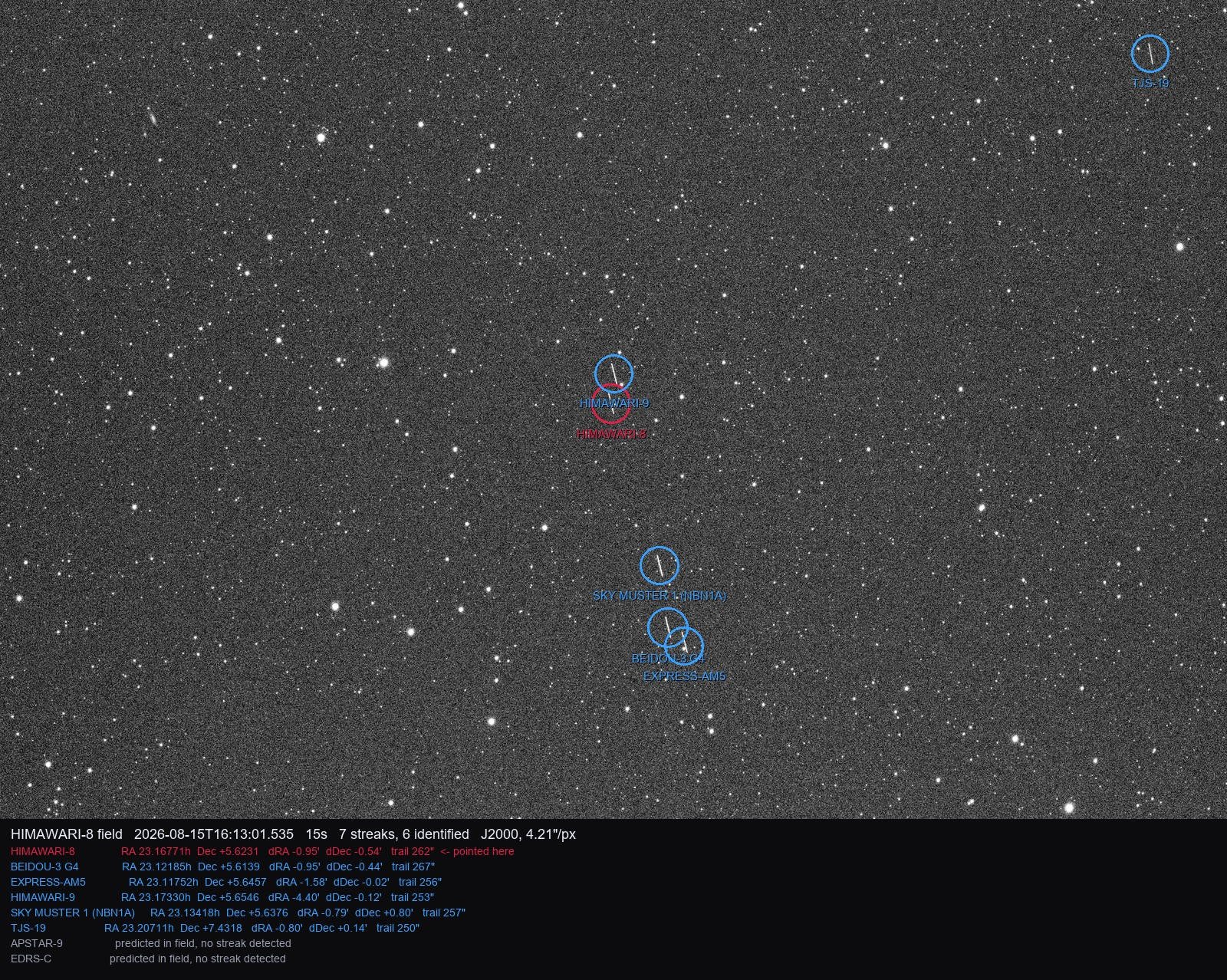
The science of measuring things you can never touch — position, brightness, colour and time. Students choose a target, set filters and exposures, book the telescope and get their own calibrated data back.
Western astronomy, astrophotography, intercultural astronomy and Australian Indigenous astronomy — taught with real telescope time and your students' own calibrated data.
Australia has one of the most culturally diverse school systems in the world. Intercultural Understanding is a cross-curriculum priority — yet it is not mentioned in the V9 Science curriculum.
Universal Astronomy for Schools gives schools across Australia the opportunity to engage with, and create resources in, Western astronomy and STEM, intercultural astronomy and STEM, and Australian Indigenous astronomy and STEM.
Choose one strand or combine them. Each one is supported by real telescope time and planning with our team.
The science of measuring things you can never touch — position, brightness, colour and time. Students choose a target, set filters and exposures, book the telescope and get their own calibrated data back.
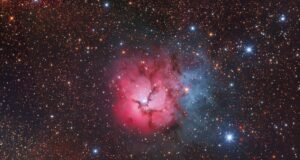
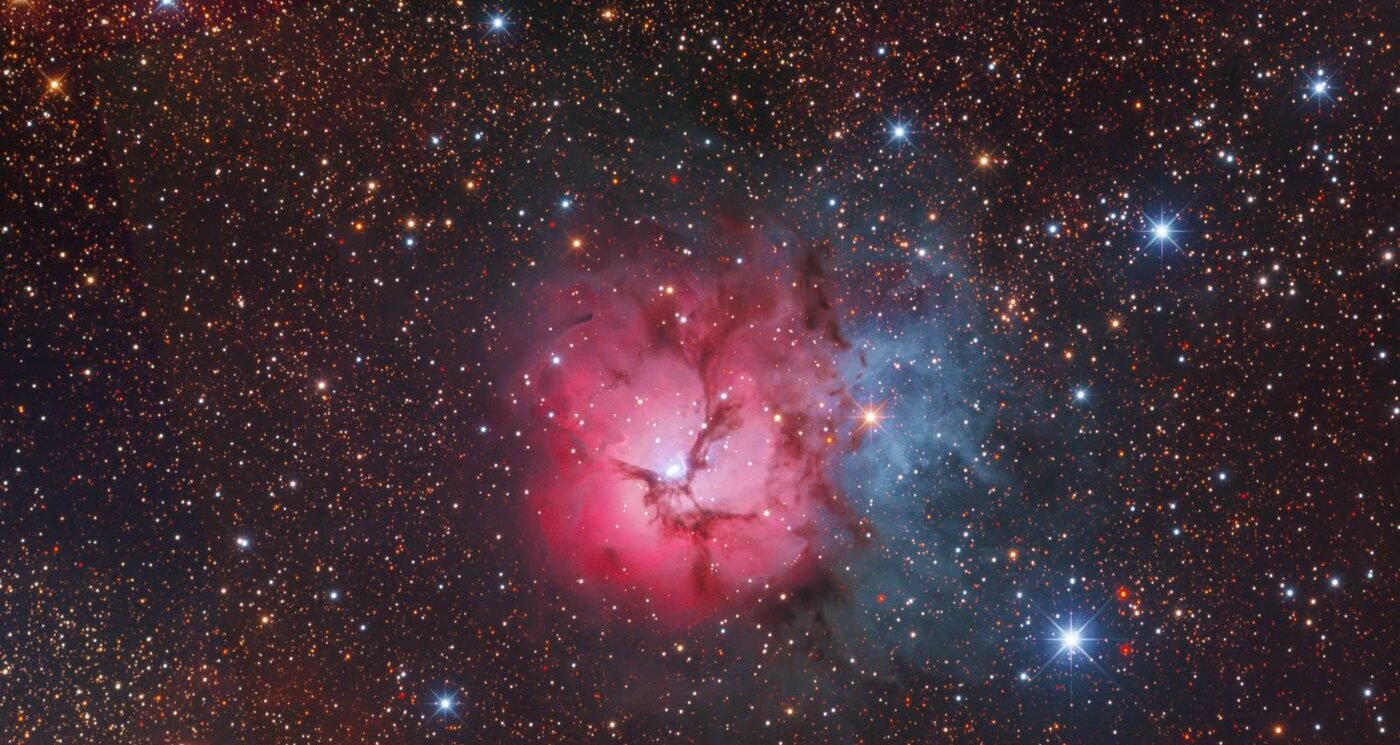
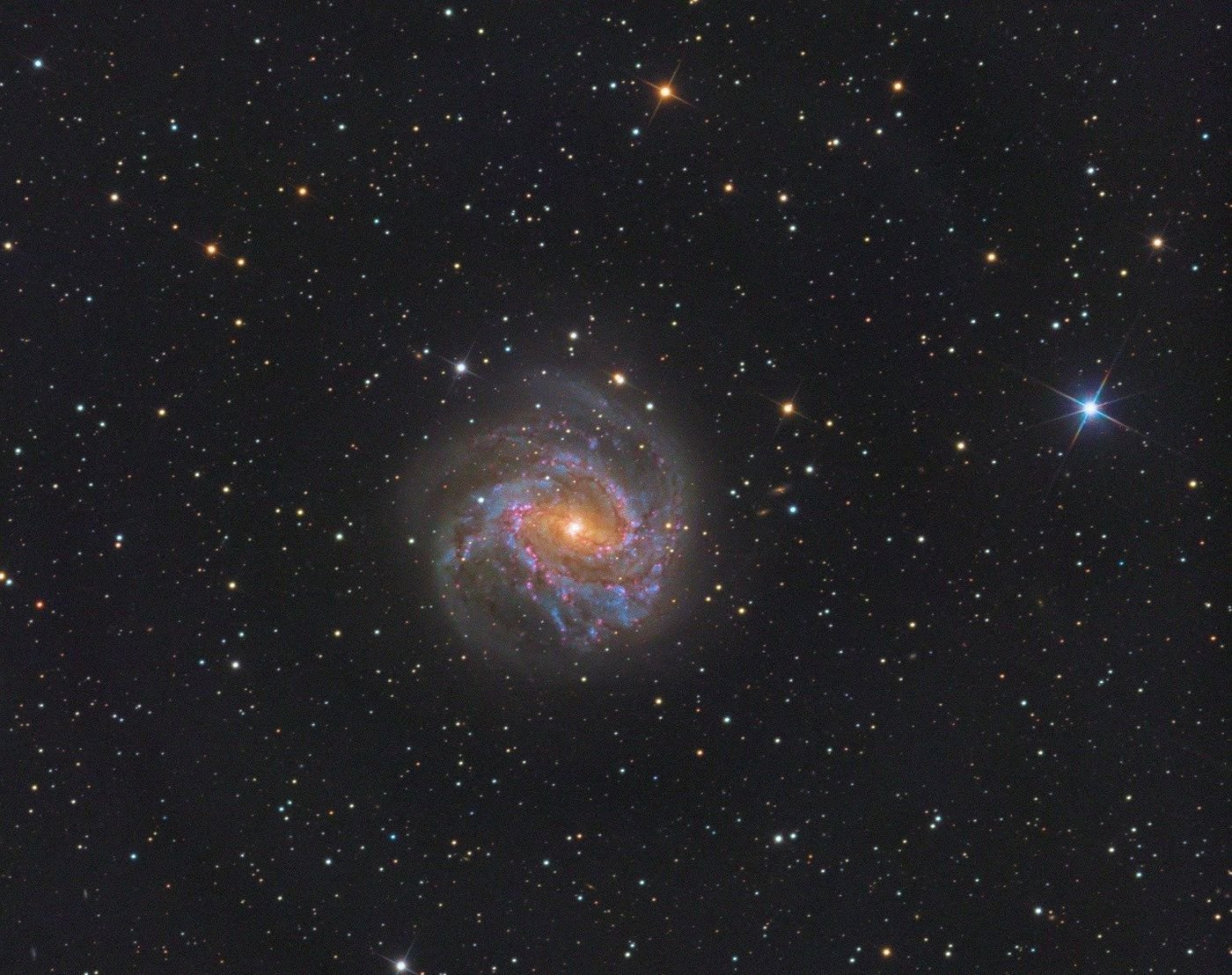
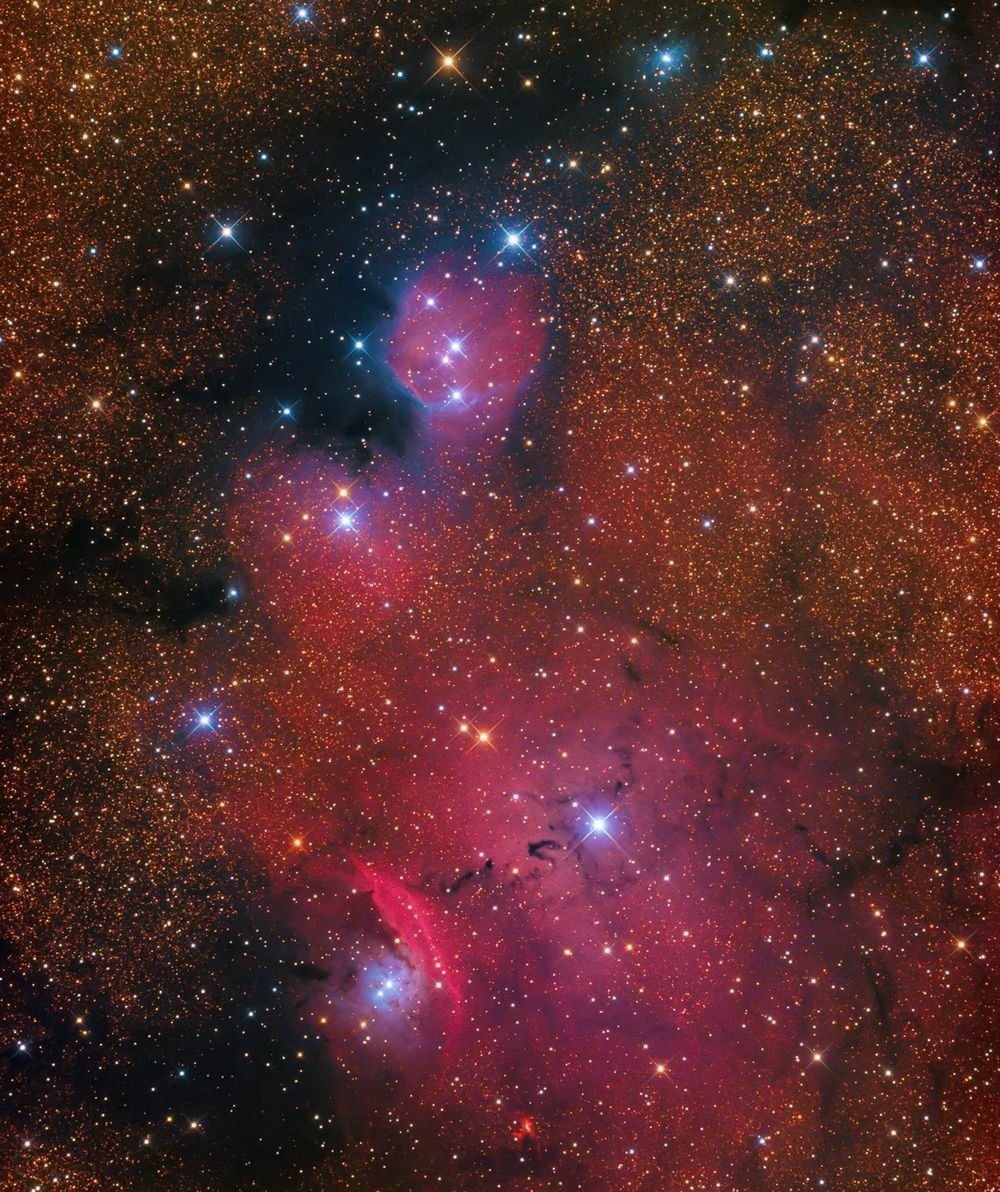
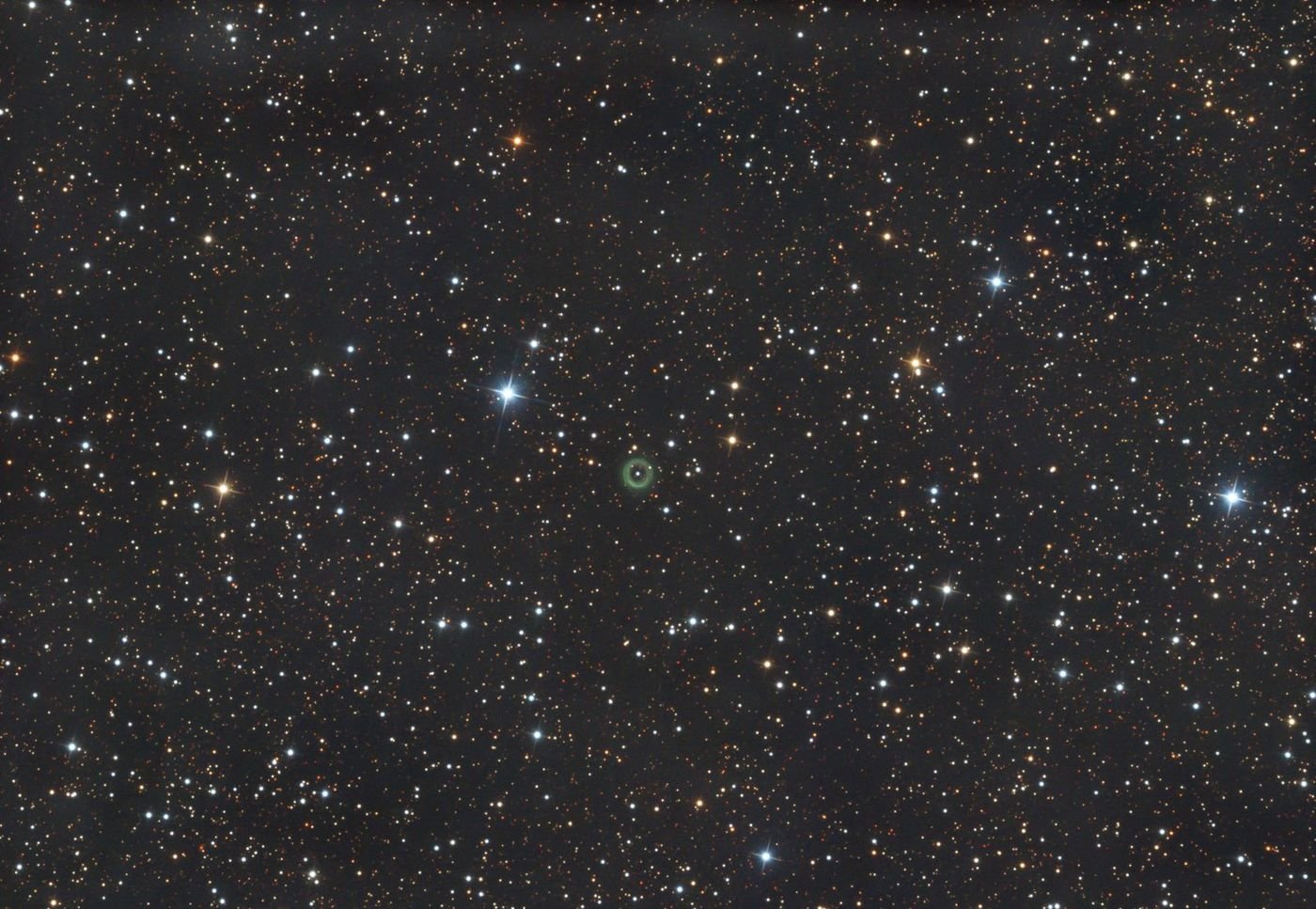
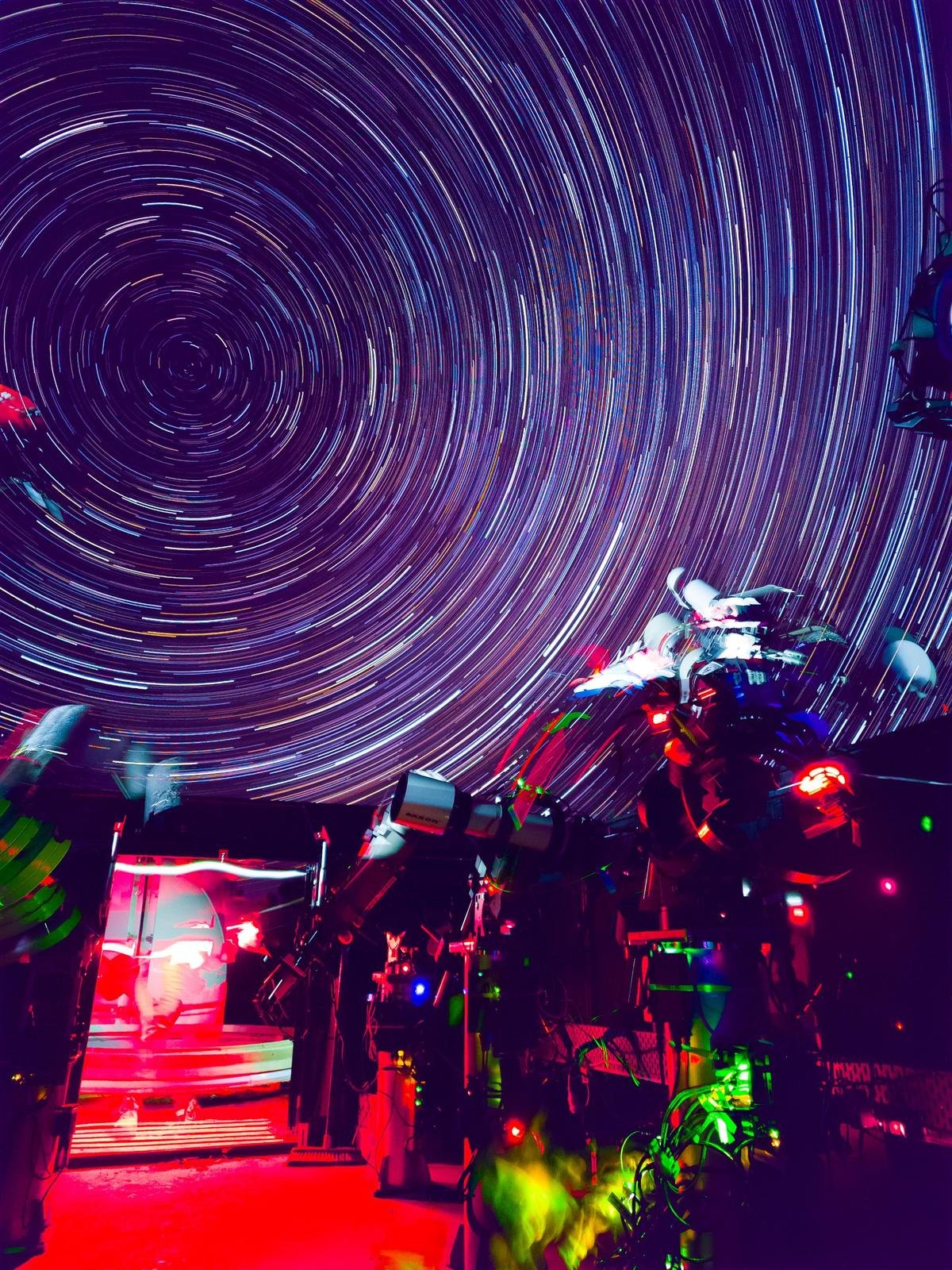
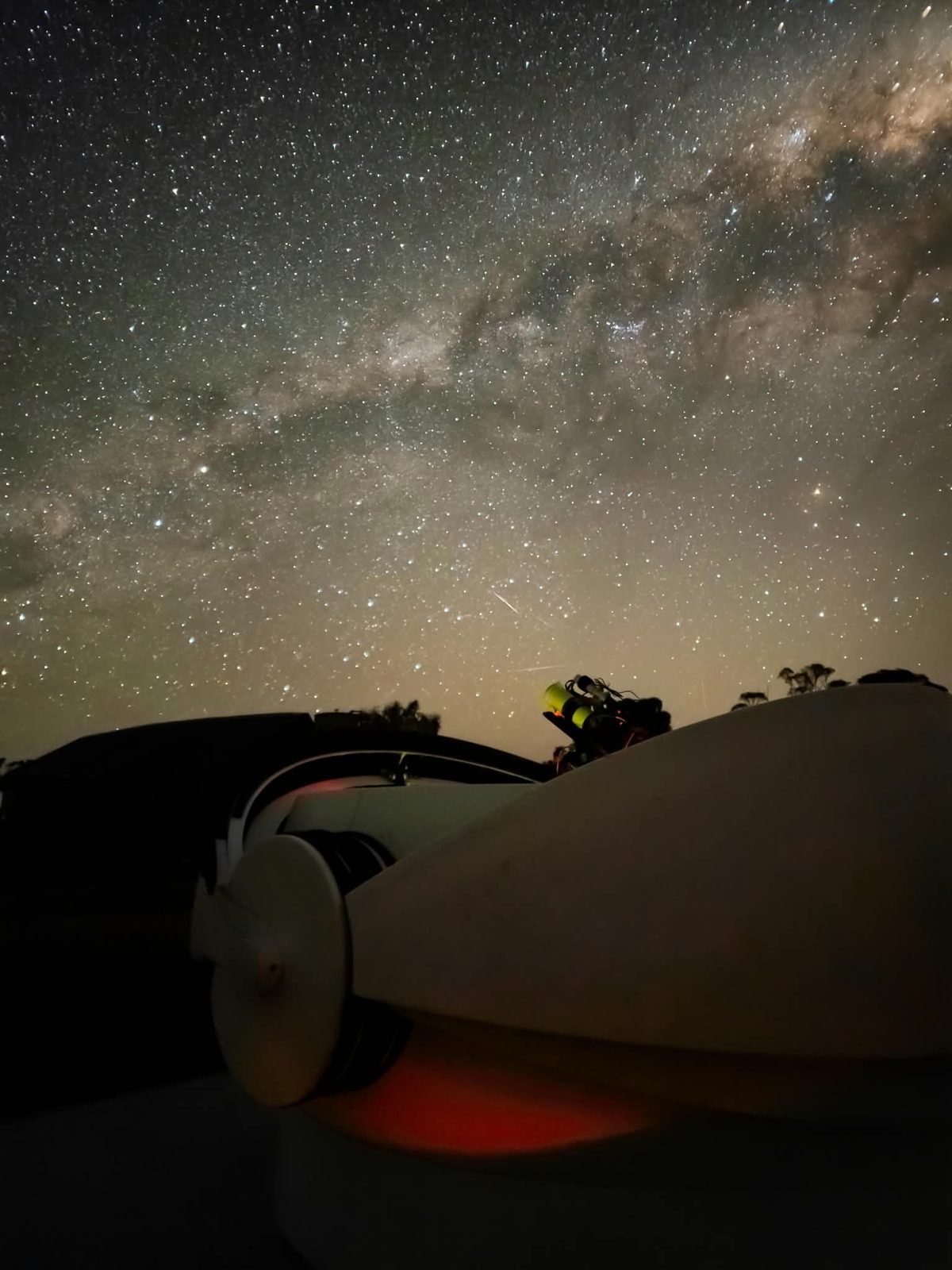
Students photograph and process stars, planets, satellites, comets and galaxies — mapping colour and contrast for outreach, or to reveal the composition of nebulae. Images can be overlaid on intercultural and Indigenous constellations.
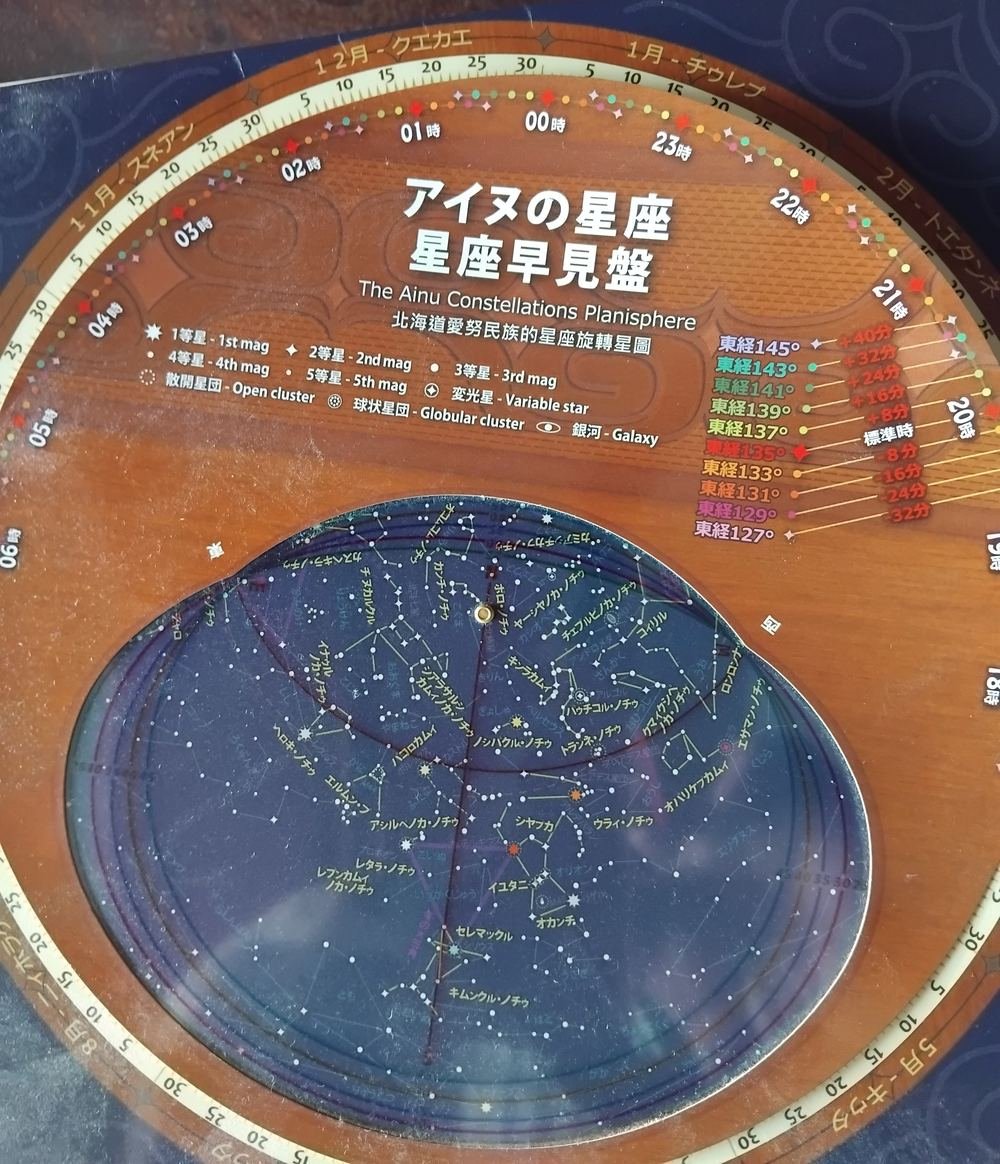
Since the first humans, the night sky has been a database for humanity. Resources cover ancient Greece, China, Egypt and the Islamic STEM world, and Indigenous Knowledges from South America, the Pacific, Asia, Africa and the Middle East.
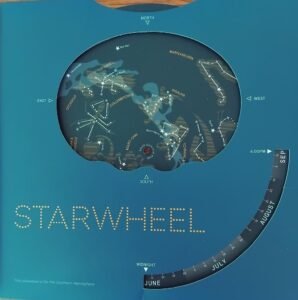
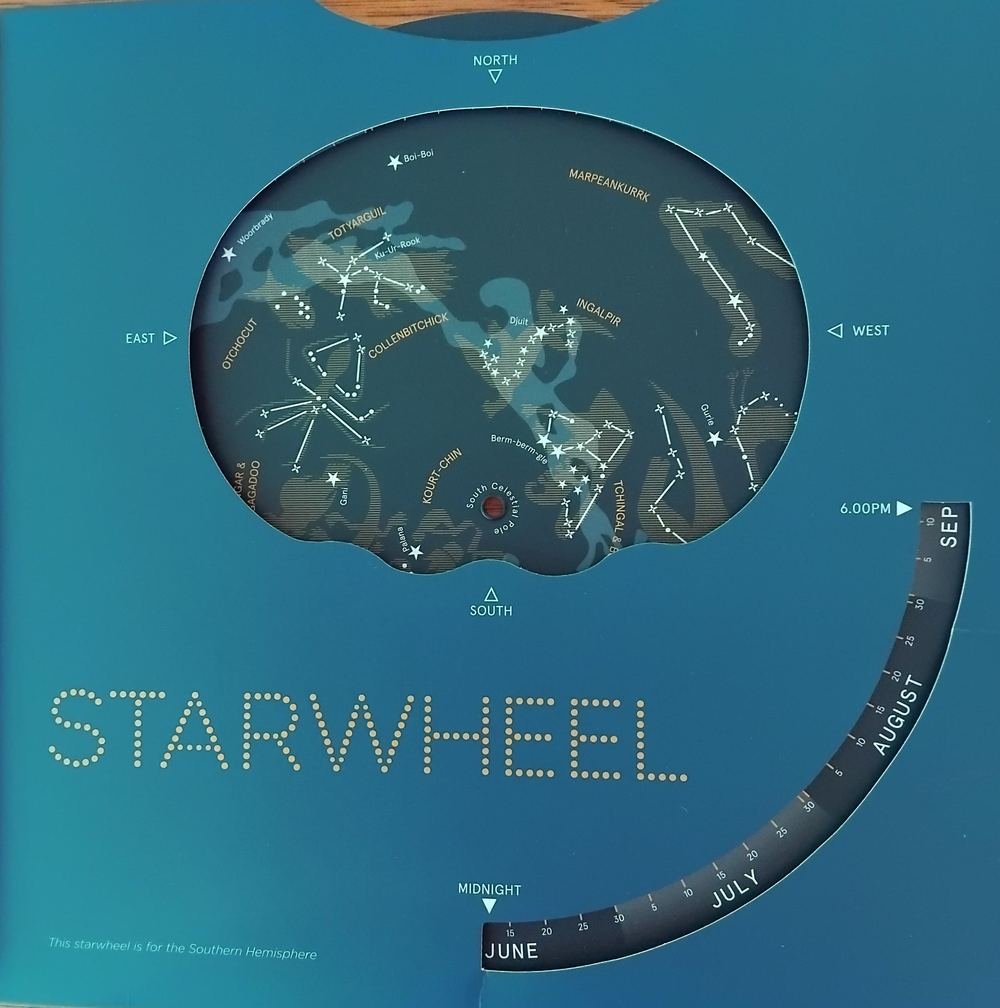
For over 60,000 years Indigenous Nations have used the night sky to build and share Knowledges: calendars, celestial navigation, weather prediction, land management, resources, ceremony, and encoding laws and morals.
The real learning is in the constraints. Weather, moon phase, target altitude and seeing all have to be planned around. Calibration frames are taken, and the answer comes out as a number with an error bar attached — exactly how a professional observatory works.
Our team works with teachers to program the telescopes for the best results, with a full suite of astronomical observations available. For Strands 3 and 4, we add education planning matched to curriculum descriptors or your school's existing curriculum — so you can build intercultural resources that reflect your own community.
Students using the intercultural resources are encouraged to explore their own families' and communities' knowledge of the sky. Schools using this approach have seen stronger relationships between families, communities and the school, because it recognises and celebrates cultural knowledge that goes beyond food and traditional dress.
Every enrolled school gets its own login to our observatory portal. Teachers plan targets, book telescope time and download their class's data and images there.
Tell us your year levels, subjects and which strands interest you.
We co-design a program matched to your curriculum and community.
Your school receives teacher accounts for the observatory portal.
Choose targets, filters and exposures. We schedule around weather and moon phase.
Calibrated images and measurements arrive in your portal, ready for class.
Our observatory portal for enrolled schools is launching soon. Teachers will log in there to book telescope time, check their observing queue and download their class's data.
Tell us about your school and which strands interest you. We will be in touch to plan a program.